
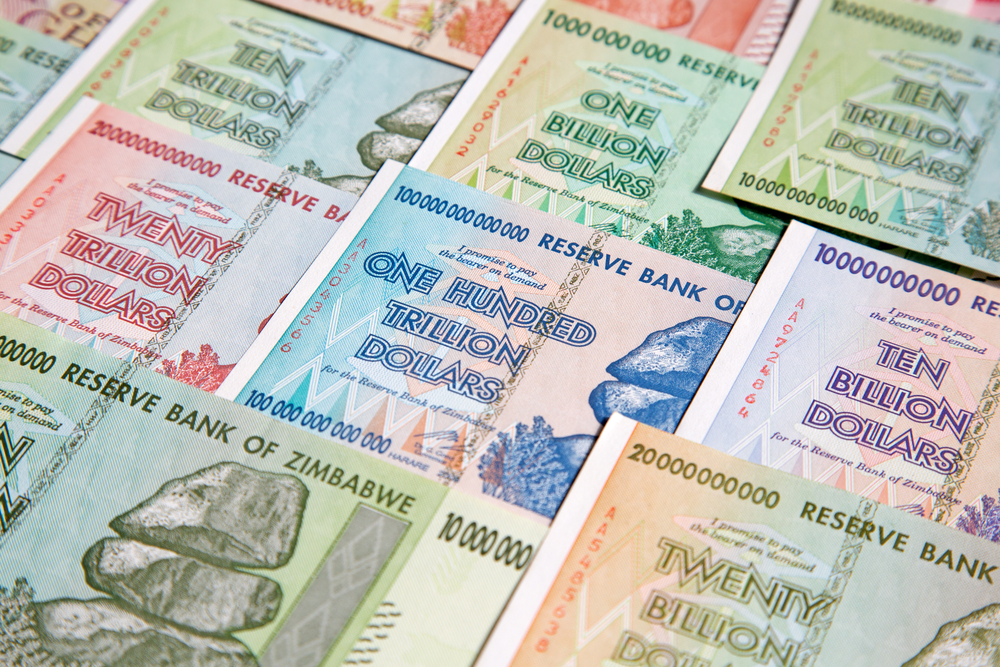
The Zimbabwe ZiG continued its recent rebound and hit its highest level against the US dollar since January this year. Central bank data shows that the USD/ZWG exchange rate dropped to 25.98, down significantly from the year-to-date high of 27.
Zimbabwe ZiG boosted by the gold price rally
Zimbabwe’s gold-backed currency, which was launched in April 2024, bounced back recently, helped by the relentless gold price rally.
Gold price jumped to a record high of $4,555 this month, much higher than the year-to-date low of $2,620. It has soared by over 140% in the last five years, making it one of the best-performing assets this year.
Gold jumped because of the surging demand from central banks, private companies like Tether, and increased ETF inflows. The SPDR Gold Trust (GLD) attracted over $20 billion in inflows this year, its best performance in years.
Gold also jumped as investors rushed to its safety as Donald Trump launched his trade war in April this year. His reciprocal tariffs had the US implement huge tariffs on goods from around the world, with those from China reaching a record high of 145%.
The Federal Reserve also contributed to the gold rally as it delivered three interest rate cuts during the year. It brought interest rates to between 3.50% and 3.75%, with officials expecting at least one more cut in 2026.
The bank may deliver more cuts in 2026 as Trump will nominate the official who will replace Jerome Powell. He has hinted that he will only nominate a Fed Chair who will be keen on cutting interest rates aggressively, a move that will boost gold prices.
Central Bank continues its gold purchases
The Zimbabwe ZiG does well when gold is rising because it is backed by 3.4 metric tons of gold, whose value has continued rising this year.
In a statement this week, John Mushayavanhu, the country’s central bank governor, noted that the bank will continue making strategic purchases as it pushes on the goal of making ZiG the sole currency in 2030. He hopes that the reserves will get to three to six months of import cover, saying:
“The Reserve Bank strongly believes that maintaining the current trend of foreign currency reserves build up would enable it to meet the desired target in the near to medium term, for the smooth transition to a mono currency.”
The Zimbabwe ZiG also jumped as the central bank maintained high interest rates during the year. It left rates unchanged at 35%, much higher than other countries, including the United States. Higher rates have made the ZiG more attractive to investors.
Meanwhile, the country’s economy did well in 2025, with the central bank expecting a final growth rate of 6.6%. This growth is mostly because of the elevated commodity prices and favorable weather after the El Niño drought in 2024. As a result, the country produced more tobacco, with exports soaring to over $1.1 billion.
Analysts anticipate that the economy will continue growing in 2026, with the central bank expecting a 5% growth rate. It also sees inflation continuing its downtrend during the year.
Looking ahead, the Zimbabwe ZiG may continue doing well in the coming months as its demand rises. The most recent central bank data shows that the currency is now accounts for ~40% of all transactions, which is a good thing.
The biggest risk, however, is that Zimbabweans have a long memory. Many of them recall the past collapses of the other currencies and may never fully embrace the ZiG.
READ MORE: Zimbabwe ZiG: What’s going on with the gold-backed currency?
The post Here’s why the Zimbabwe ZiG currency just rose to its January levels appeared first on Invezz